 Skip to content

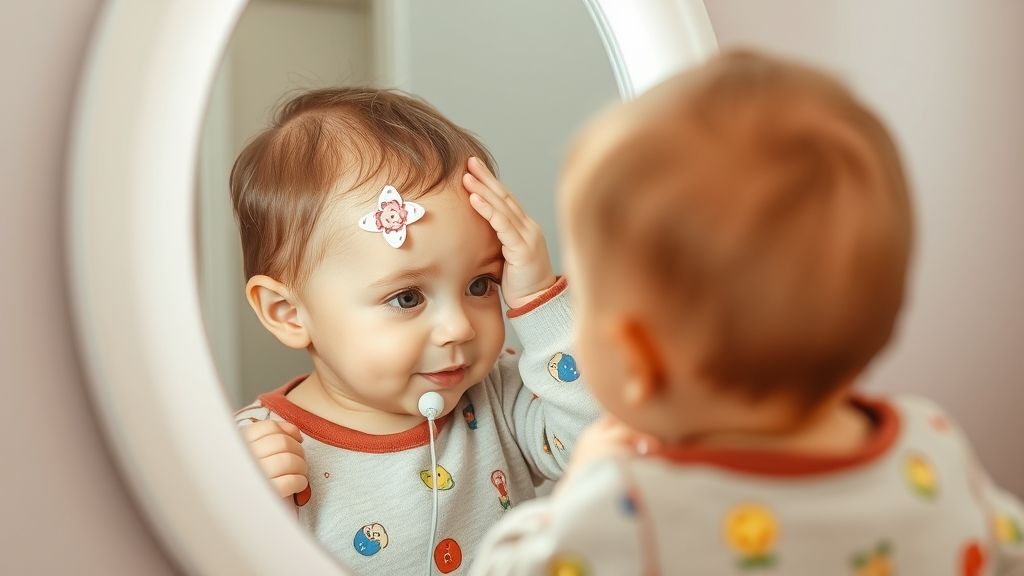
Table of Contents
What Makes a Mirror More Than Just Glass?
Mirror-testing is an old experiment, several decades old, but it still attracts scientists, psychologists, and ordinary people. The method is simple: mark the subject’s body, place a mirror in front of them, and observe the results. However, the importance is much bigger. It’s not just about images in mirrors. It’s about recognising oneself.
Moreover, not all animals can do it. There are even some humans who can’t do it because of their age or condition. Thus, mirror-testing is not only a peculiar experiment; it is a tool that opens a window onto the self-awareness domain.
The Story of the Beginning
Imagine it. When did you last find yourself making a bizarre face in front of the mirror just because you wanted to see how you looked? That curiosity – that recognition is the very core of mirror-testing. Psychologist Gordon Gallup Jr. is credited with bringing the test into the limelight in the 1970s. While the chimps were asleep, he stuck a red dot on their faces.
When they woke up, they saw themselves in the mirror and tried to remove the dot from their faces, not the glass. Recognition was there. So chimps aren’t only responding to another animal, but they actually recognise the image to be their own. It was a revolutionary moment, to be honest, a very momentous one.
Before that time, people honestly thought that self-awareness was exclusively a human feature. But mirror-testing pulled that concept around and showed the opposite.
Why It Matters More Than You Think
Why would anyone be concerned about monkeys and a mirror? Literally, the mirror test is one of the primary methods to determine self-awareness in different animal species and in humans of various ages.
Here’s what makes it so valuable:
- Babies – Infants usually fail the test until around 18–24 months. Before that, they often treat their reflection as a “playmate.”
- Animals – Chimps, orangutans, dolphins, elephants, and even magpies have shown signs of passing. But dogs and cats? Not so much. (They usually think it’s another animal invading their turf.)
- Humans with conditions – Some neurological or developmental disorders can affect how people respond to mirror-testing, which makes it an essential tool in research.
The test has grown way beyond a simple experiment. It’s now a cultural symbol of how we define “self.”
The Unique Side of Reflections
Mirrors are weird. You see yourself, but it’s reversed. That alone messes with your head if you think about it long enough. Now, add mirror-testing into the mix, and suddenly mirrors become portals into psychology.
Here’s the unique twist: failing the test doesn’t mean a species or person lacks intelligence. For example, dogs may not pass because they rely more on smell than sight. So the mirror isn’t the right “tool” for them. Imagine judging a musician’s skill by asking them to paint. Doesn’t work.
That’s why mirror-testing is both brilliant and limited. It tells us something profound, but not everything. And that’s the beauty of it.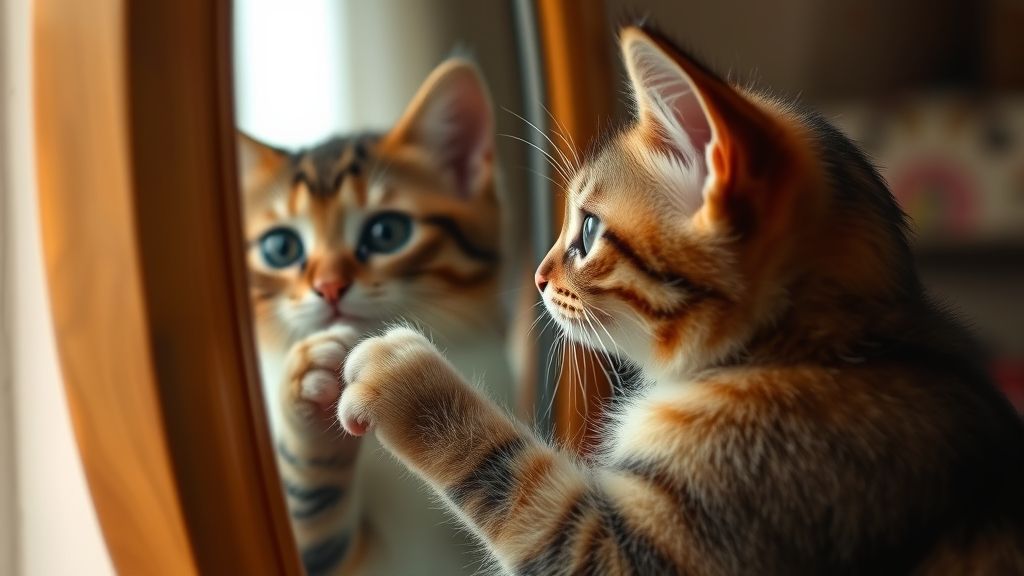
How It Actually Works (without the science jargon)
Alright, let’s break it down in simple steps. Here’s the casual guide to mirror-testing:
- Introduce a mirror. Place it where the subject can see themselves.
- Mark the subject. Usually a harmless dot, sticker, or paint placed on their face or body.
- Observe the reaction. Do they touch the mirror, or themselves? The difference is key.
- Interpret the result. Touching themselves suggests recognition. Touching the mirror? Not quite there yet.
And that’s it. Simple but powerful. It’s almost too simple, which is why debates around interpretation still rage on in the scientific world.
More Than Science — It’s Personal.
Here’s something fun: try your own mini version of mirror-testing. Place a small sticker on your kid’s forehead or even on your forehead. Don’t worry,won’t mind. Then put them in front of the mirror. Observe. The way they react is fascinating.
You might find yourself thinking more profound questions. What does it mean to honestly “know yourself”? Do we only see our physical selves in the mirror, or something more? That’s what testing has on such a significant cultural impact. It pushes us to think about identity, not just biology.
Reflections That Matter
Mirror-testing at the end of the day is not only just talking about chimps, babies, or pets. It’s about humans. It’s about how we recognise the qualities of awareness, intelligence, and identity in a world that is full of reflections, both literal and metaphorical. The test is basic in its form, but it has enormous implications. It makes us remember that self-awareness is not something to be taken for granted.
A blessing, and not all living beings on this planet have it to the same degree as humans. So if you look in a mirror next time, take a moment to stop. It’s not only about your hair, it’s about you. You are doing the same kind of awareness that scientists have been after for years. And that’s wonderful.